Caring for a loved one can be deeply rewarding — but it can also be physically and emotionally exhausting. For families across Nottinghamshire and Derbyshire, balancing caring responsibilities with work, family life, and personal well-being can feel overwhelming at times. Whether you’re supporting an ageing parent, a partner with complex needs, or a family member recovering from illness, everyone needs a break from time to time. That’s where respite care comes in.
While respite care is often associated with short stays in residential care homes or increased care visits, live-in respite care is becoming an increasingly popular and reassuring alternative. It offers families the chance to step back and recharge, while their loved one continues to receive high-quality, one-to-one support at home.
What Is Respite Care?
In local communities across Nottinghamshire and Derbyshire, respite care plays an important role in helping families continue caring for loved ones at home while protecting their own health and well-being.
Respite care is temporary care designed to give family carers a break from their caring responsibilities. It may be needed for a few days, a few weeks, or even a few months, depending on individual circumstances.
People typically seek respite care when:
- A family carer feels overwhelmed or burnt out
- Someone needs time to recover from illness or surgery
- Families are going on holiday or managing work commitments
- Care needs temporarily increase
- Long-term care options are being considered
Respite care isn’t about stepping away permanently — it’s about protecting well-being for everyone involved.
How Live-In Care Works as Respite Care
Live-in care involves a trained carer moving into the home to provide round-the-clock support. When used as a respite care solution, this arrangement is agreed for a fixed, temporary period.
The live-in carer supports with:
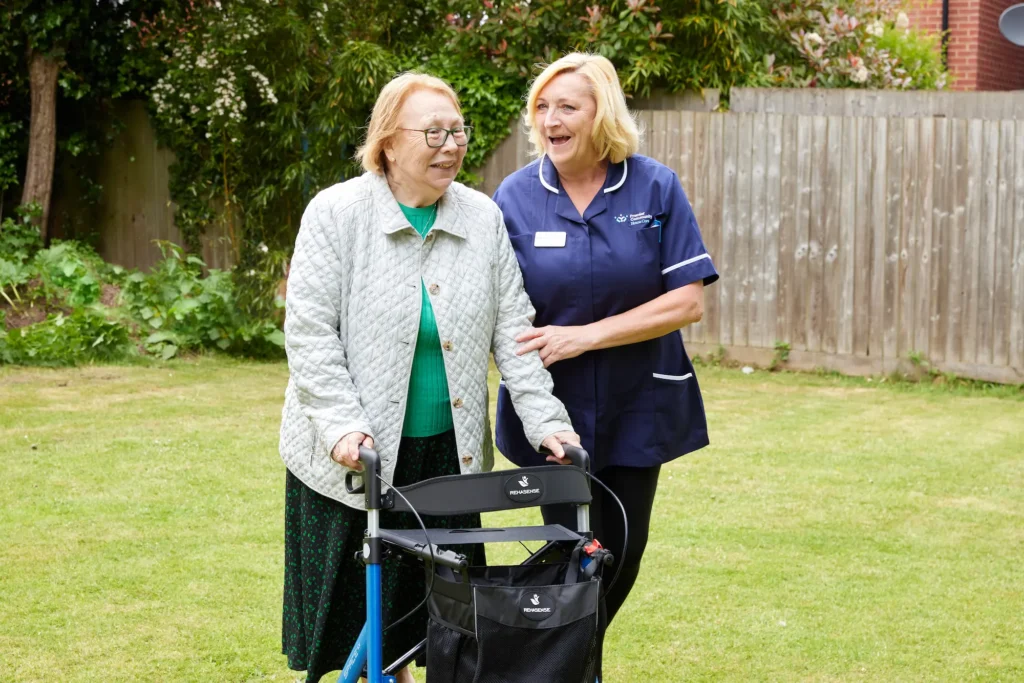
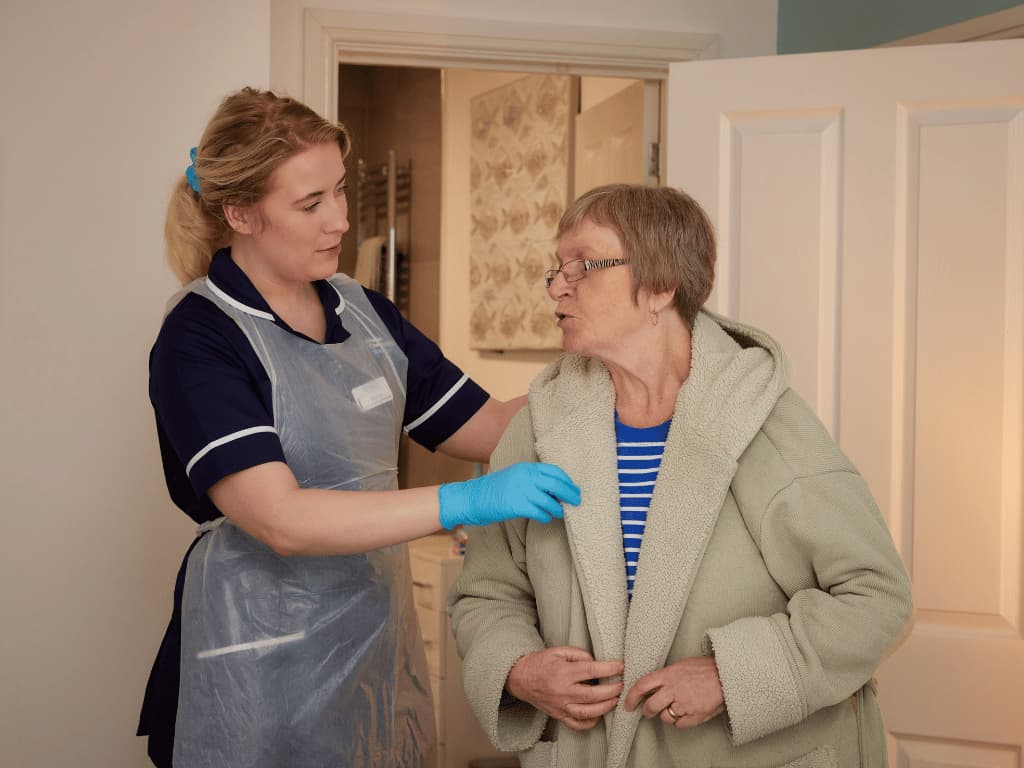
- Personal care and mobility support
- Medication reminders or administration
- Meal preparation and nutrition
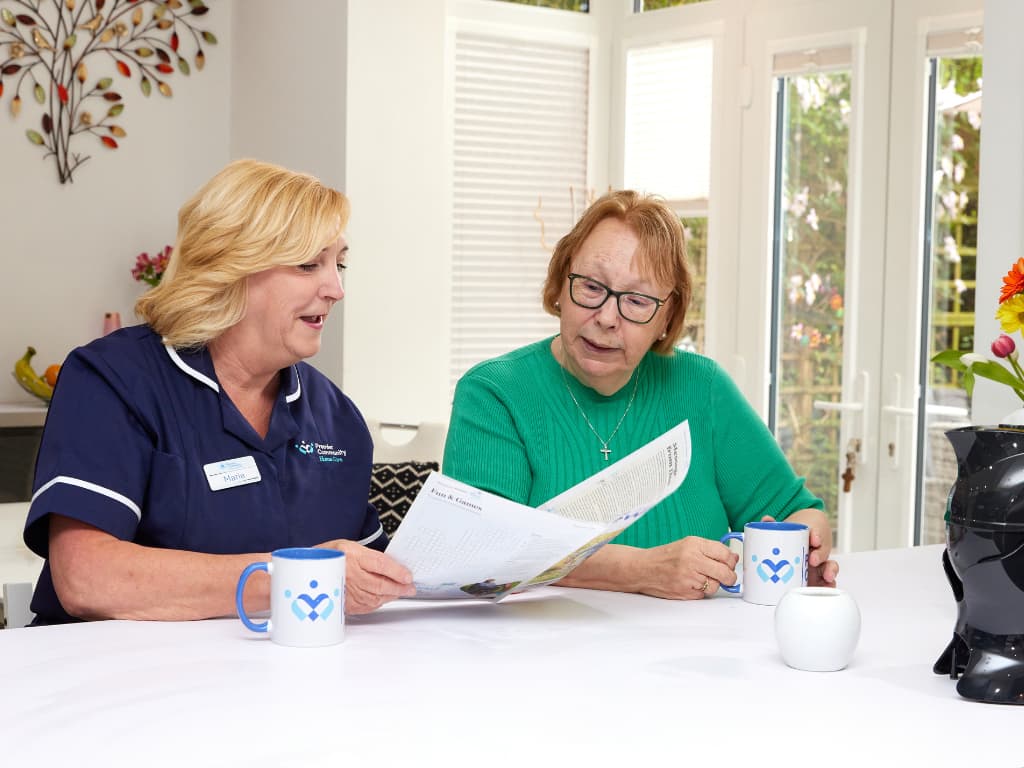
- Companionship and emotional reassurance
- Night-time support where required
- Maintaining daily routines and independence
At the same time, family carers are able to fully step back — knowing their loved one is safe, supported, and comfortable at home.
Click the link to discover what to expect with Temporary Live In Care.
Why Families Choose Live-In Care for Respite
1. Familiar Surroundings, Less Disruption
Remaining at home can make a huge difference, particularly for older people or those living with dementia. Familiar routines, surroundings, and belongings help reduce anxiety and confusion — something that can be challenging during temporary residential stays.
2. Consistent, One-to-One Support
Unlike short care visits or shared residential settings, live-in respite care provides dedicated, continuous support from one carer. This consistency builds trust quickly and ensures care is truly personalised.
3. True Peace of Mind for Family Carers
Respite care only works if family carers can genuinely switch off. Knowing there’s always someone present — day and night — allows families to rest, travel, or focus on other commitments without constant worry.
4. Flexible and Low Commitment
Live-in respite care can be arranged for an agreed period and extended or ended as needs change. There’s no pressure for it to become a permanent arrangement unless it’s the right choice for the family.
I have used the 24-hour service twice now in order to have a break from my caring role with my parents. I had complete confidence in A (carer), and had the peace of mind to know that my parents were in good hands, allowing me to have a relaxing break. My parents also enjoyed having A around as it made them feel safe and secure, but without it feeling intrusive.
We would not hesitate to use the service again.– Jo, Client’s Daughter
When Is Live-In Respite Care Most Helpful?
Live-in care is particularly effective as a respite solution in situations such as:
- Following a hospital discharge or illness
- When care needs temporarily increase
- During family holidays or major life events
- When a carer needs time to recover from stress or ill health
- As a trial before considering longer-term care
In many cases, families find that temporary live-in care not only provides relief, but also clarity about what level of support may be needed in the future.
Live-In Respite Care vs Other Respite Options
While residential respite care can be helpful for some, it isn’t the right fit for everyone. Live-in care offers an alternative that prioritises comfort, routine, and familiarity.
With live-in respite care:
- There’s no move to an unfamiliar environment
- Support is tailored to one person, not shared
- Daily life continues with minimal disruption
- Families remain involved without carrying the full responsibility
Is Live-In Respite Care Right for You?
Every family’s situation is different. Live-in care may be a suitable respite option if your loved one:
- Wishes to remain at home
- Needs regular or overnight support
- Would struggle with a temporary move to residential care
- Benefits from routine and continuity
A professional assessment from Premier Community Home Care can help determine whether short-term live-in care is the right solution and how it can be tailored to your needs. For more information, read our article on: Identifying the Signs Your Parent May Need Live-in Care
Local, Trusted Respite Care Support in Nottinghamshire and Derbyshire
Choosing respite care is easier when you have support from a local provider who understands your community, healthcare pathways, and available services. Working with a Nottinghamshire and Derbyshire-based care provider means assessments, communication, and ongoing support are responsive, personal, and tailored to local needs.
Supporting Families When They Need It Most
Respite care isn’t a sign of failure — it’s a vital part of sustainable, compassionate caring. Premier Community Home Care offers families a flexible, reassuring way to take a break, protect their well-being, and ensure their loved one continues to receive high-quality care at home.