Sensory impairments such as touch and balance issues tend to become more common later in life, and if left unaddressed they can lead to challenges in daily life and an increased risk of falls and injuries.
Understanding how to support a loved one with sensory impairments can significantly improve their quality of life. This guide provides practical advice for families and explains how our carers can help.
Understanding Touch and Balance Impairments
Touch Impairments
Tactile sensation is essential for daily activities such as dressing, eating, and maintaining personal hygiene. With age or conditions like diabetes, stroke, or nerve damage, touch sensitivity may decline. This can make it harder for your loved one to detect temperature changes, identify objects by touch, or sense pain, which may increase the risk of burns, cuts, and other injuries.
Balance Impairments
Balance impairments are also common in older adults. According to the NHS, balance relies on sensory input, including tactile feedback from the feet and body, as well as visual and vestibular (inner ear and brain) signals, to help keep us upright and stable.
Poor balance can make it difficult for your loved one to walk, stand, or transition from sitting to standing, significantly increasing the risk of falls, a leading cause of injury among older adults.
How Home Care Can Help a Loved One with Sensory Impairments
Helping to create a safe environment:
Using our 30 years of experience, our care and mobility experts can advise and help coordinate necessary home modifications to improve safety for your loved ones at home.
During our initial home care assessment, our experienced care team will:
-
Conduct a thorough risk assessment of your home
-
Identify potential hazards such as loose rugs, cluttered walkways, trailing cables, or uneven flooring
-
Recommend practical solutions such as grab rails, non-slip mats, or adaptive equipment
These adjustments help reduce the risk of falls while supporting your loved one’s independence.
Establishing Routine, Structure and Balance:
Whether a decline in touch sensitivity or balance issues develops gradually or follows an accident, our carers can help your loved one establish consistent daily routines. These routines not only reduce reliance on fine tactile skills but can also support stability, coordination, and overall confidence.
Families can help by:
-
Organising belongings in predictable ways
-
Simplifying clothing choices for easier dressing
-
Arranging furniture to create safe, clear pathways
Gentle balance exercises can be incorporated into daily routines, including:
-
Supervised chair-to-standing transitions
-
Short guided walks around the home
-
Simple standing or stretching exercises to strengthen legs and core
Over time, these small steps improve both steadiness and tactile awareness, making everyday tasks feel safer and more manageable.
Introducing Sensory Aids:
Sensory aids can further support independence and confidence. Examples include:
-
Textured grips for utensils
-
Clothing with distinct tactile features
-
Non-slip mats and grab rails
Our carers take a compassionate approach to introducing these aids, helping your loved one adjust gradually while ensuring they are used effectively. Combined with routines and exercises, these tools help compensate for reduced touch sensitivity while supporting balance and independence.
Family Tips for Everyday Support
Families can implement practical steps to help their loved one:
-
Keep rooms and hallways well lit, particularly in the evenings
-
Encourage sturdy, well-fitting footwear with non-slip soles
-
Keep frequently used items within easy reach to avoid unnecessary bending or stretching
-
Allow extra time for movement to reduce rushing
-
Support gentle exercises that strengthen balance and coordination
Remember, while families play a crucial role, balancing safety, encouragement, and emotional support can be demanding. Our carers provide additional assistance, reinforcing routines, monitoring safety, and helping your loved one maintain independence.
Mobility Aids and Additional Support
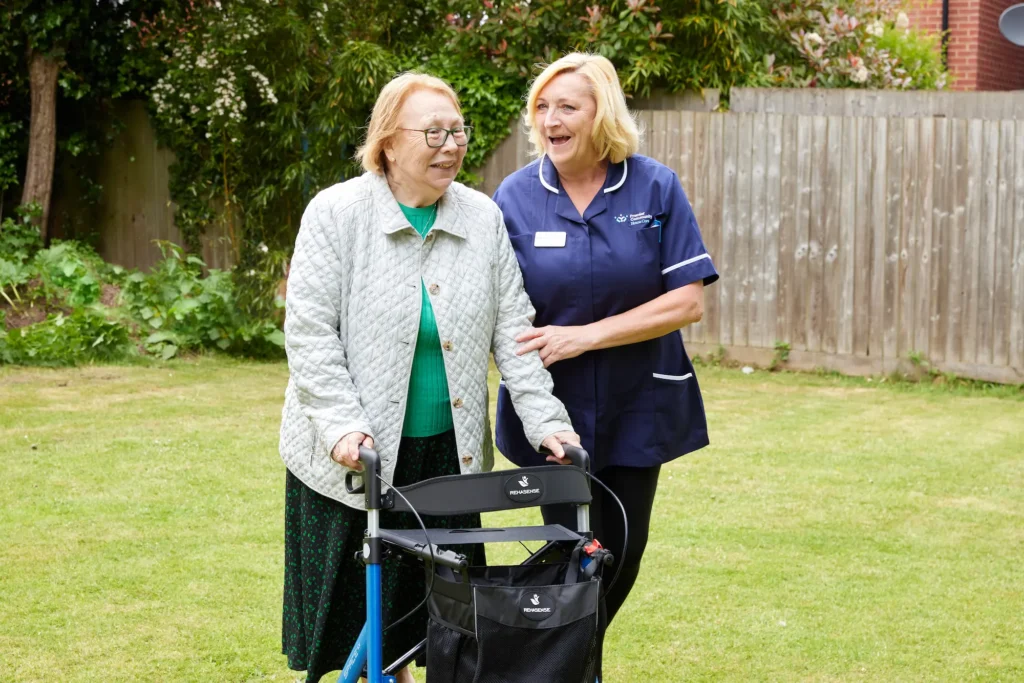
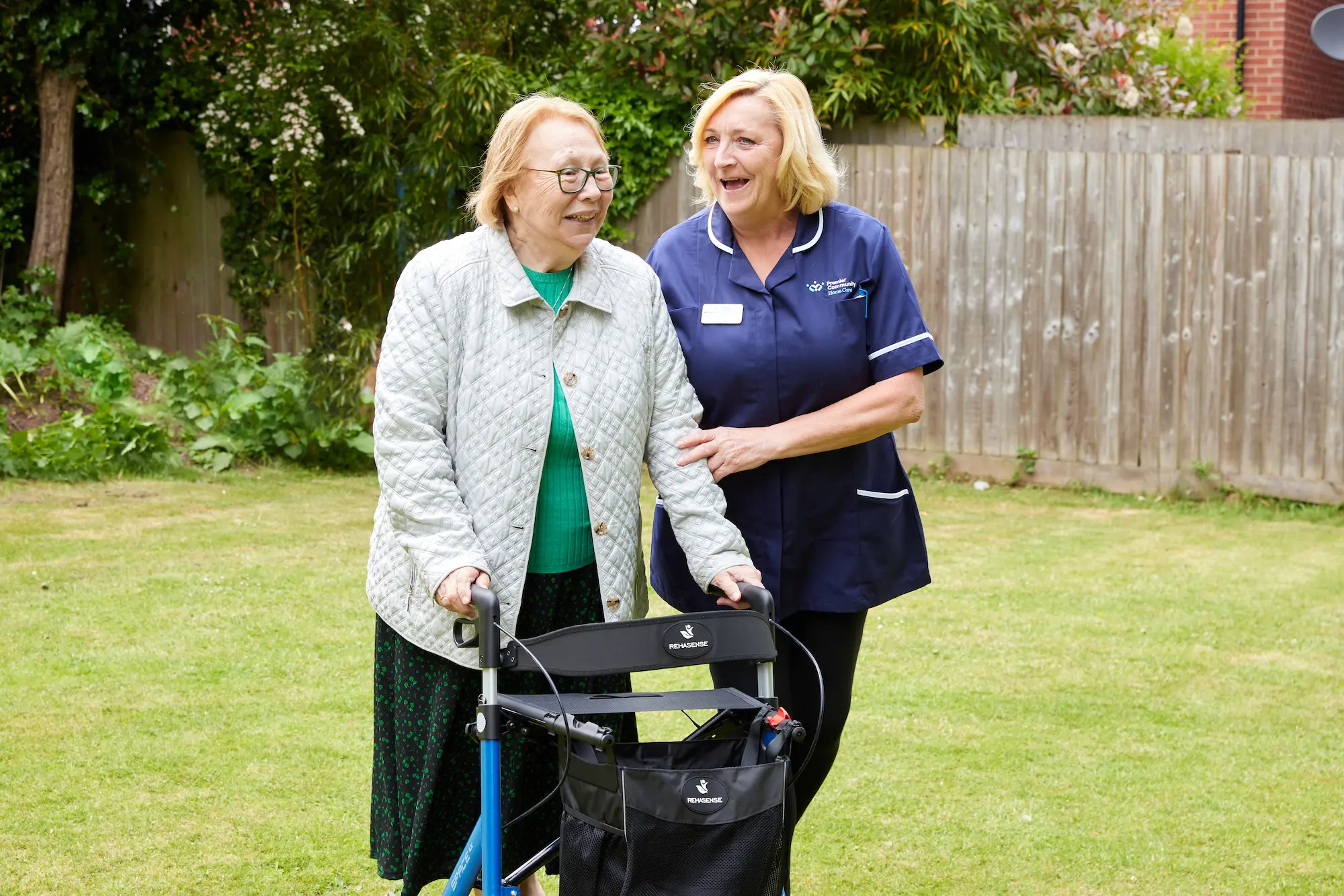
Our online mobility shop and stores offer a wide range of thoughtfully designed aids, including walking frames, canes, and grab rails, to provide support where it’s needed most.
With regular visits, our carers can:
-
Encourage use of mobility and sensory aids
-
Support exercises prescribed by healthcare professionals
-
Assist with personal care tasks such as bathing and dressing
-
Monitor skin and detect injuries that may go unnoticed due to sensory impairments
-
Update digital care plans to ensure ongoing safety and comfort
Conclusion:
Caring for a loved one with touch and balance impairments is a challenging but rewarding responsibility. By taking steps to modify their environment, providing appropriate tools and support, and offering emotional care, you can significantly enhance their quality of life.
Our carers are here to relieve pressure on families, provide reassurance, and offer the hands-on assistance needed to ensure your loved one can live comfortably and securely. With the right support, both families and their loved ones can enjoy peace of mind and a better quality of life.