
Understanding the average cost of home care in the UK is crucial when planning for elderly care.
Home care costs can vary widely based on the type of care, location, and several other factors, but some care companies lack transparency online regarding their basic hourly rates, which can make it difficult for families to research affordable home care options for their elderly relatives.
At Premier Community, we have always worked hard to ensure our rates remain the most competitive in the market. Currently, our hourly visit rate is over £2 lower than the suggested UK Home Care Association rate.
We’re proud to say that this has been achieved by boosting our operational efficiency. With strategically located teams throughout Nottinghamshire and Derbyshire, we are able to offer more flexibility with our call times and reduced mileage between service users for our carers.
In this comprehensive guide, we break down the average home care costs, explore regional variations, and compare home care with residential care costs.
Types of Home Care and Their Costs
Home care services can be broadly categorised into domiciliary care, live-in care, and respite care. Each type offers different levels of support and often comes with its own pricing structure.
Domiciliary Care
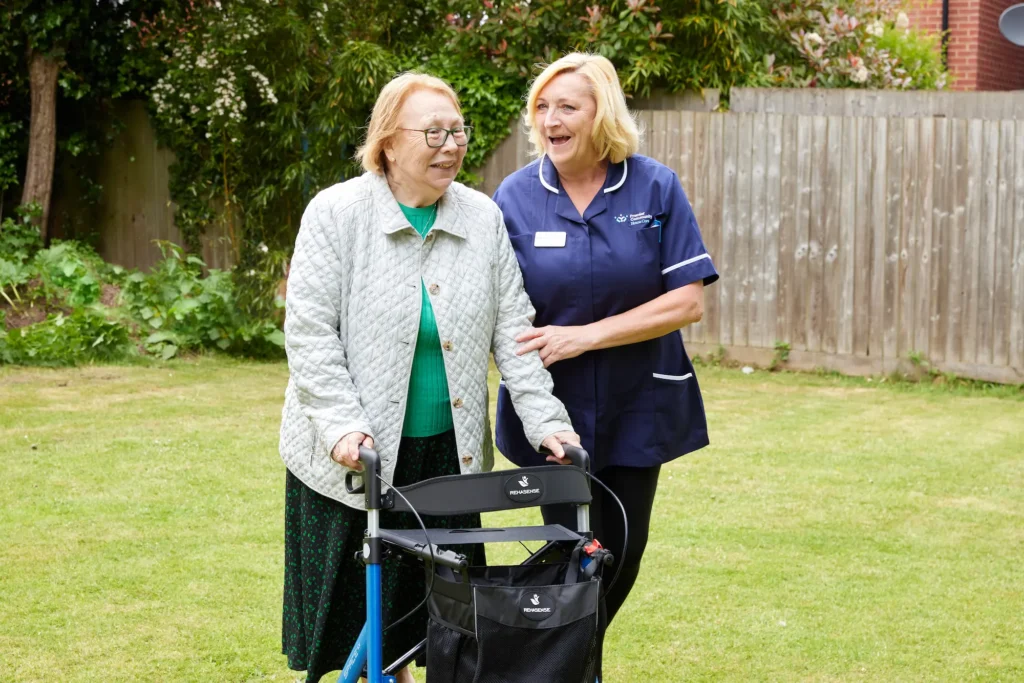
Domiciliary care, also known as hourly home care, involves professional caregivers visiting the home to assist with daily activities such as bathing, dressing, medication management, and meal preparation. This type of care is suitable for individuals who need assistance but prefer to stay in their own homes.
- Average Cost: According to lottie.org the average cost of home care in the UK for 2026 is £32 per hour, but this varies depending on region.
- Average Weekly Cost: Based on this, for an average of 5 hours per week, service users can expect to pay approximately £160 a week and £693 a month.
To ensure we can continue to offer a safe and reliable service, from the 5th Jan 2026, Premier Community’s home care costs are increasing to £32 per hour. This can also be broken down into smaller time slots depending on the level of care your loved one requires; for example, home care visits that take no longer than 30 minutes will be charged at £19.90 per visit, whereas anything between 31 minutes and 45 minutes will be charged at £25.50 per visit.
Live-in Care
Live-in care provides continuous support, where a caregiver lives in the home to offer round-the-clock assistance. This option is suitable for individuals needing constant supervision or those with complex medical needs, we can also offer this service as Respite Care to help provide short-term cover during holidays, or when the main carer is unavailable.
- Average Cost: £800 to £1,600 per week (ref: NHS – Paying for your own care).
- Average Monthly Cost: Between £3,200 and £5,600.
Our Live-in care costs vary depending on the number of hours required. For example, someone who requires approximately 8 hours of care per day for 7 days a week can expect their weekly fee to start from £1,700. We also offer a 10-hour live-in care package, starting from £1,950, and a 12-hour package, starting from £2,200.
Regional Cost Variations
Of course, the average cost of home care services can vary significantly across different regions in the UK. Factors such as local living costs, availability of care providers, and regional demand often influence these variations.
Factors Influencing Home Care Costs
As we’ve already mentioned, several factors influence the overall cost of home care, including the level of care required, the duration of care, location and even a caregiver’s qualification when it comes to specialised training. To help you further understand how these factors impact the cost of home care. We’ve broken them down into bitesize chunks:
Level of Care Required
Higher levels of care, such as those needed for individuals with severe disabilities or complex medical conditions, will cost more.
Duration of Care
More extended hours of care or full-time live-in arrangements naturally lead to higher costs.
Location
Living in metropolitan areas like London will typically be more expensive than in rural regions due to higher living costs and higher demand for services.
Caregiver Qualifications
Caregivers with specialised training, qualifications, or experience handling specific health conditions may charge higher rates.
Conclusion
As you can see, home care costs in the UK can vary widely based on the type of care, regional factors, and individual needs.
However, by understanding these costs and the factors that influence them, you can make an informed decision that balances quality care with financial considerations. Whether opting for domiciliary, live-in, or respite care, evaluating all options is essential to finding the best fit for your loved one’s needs.
If you would like any further information or advice on arranging a loved one’s care, please call our friendly team on 01623 810 100.