








Companionship Care
Eating Well as You Age: Simple Nutrition Tips for Older Adults
As we get older, good nutrition becomes increasingly important for staying healthy, active and independent. Eating well in later life helps support energy levels, maintain muscle strength, protect bone health and strengthen the immune system.
However, appetite and eating habits often change with age. Some people feel full more quickly, while others may lose weight without meaning to. Health conditions, medications, mobility challenges or loneliness can also affect how much someone eats.
Understanding the basics of nutrition for older adults can help people make small changes that support long-term health and wellbeing.
What Should Older Adults Eat to Stay Healthy?
A healthy diet in later life should include a variety of foods from the main food groups. The NHS’s Eatwell Guide provides helpful guidance on what a balanced diet looks like.
Try to include:
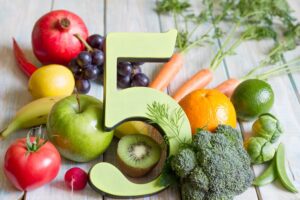
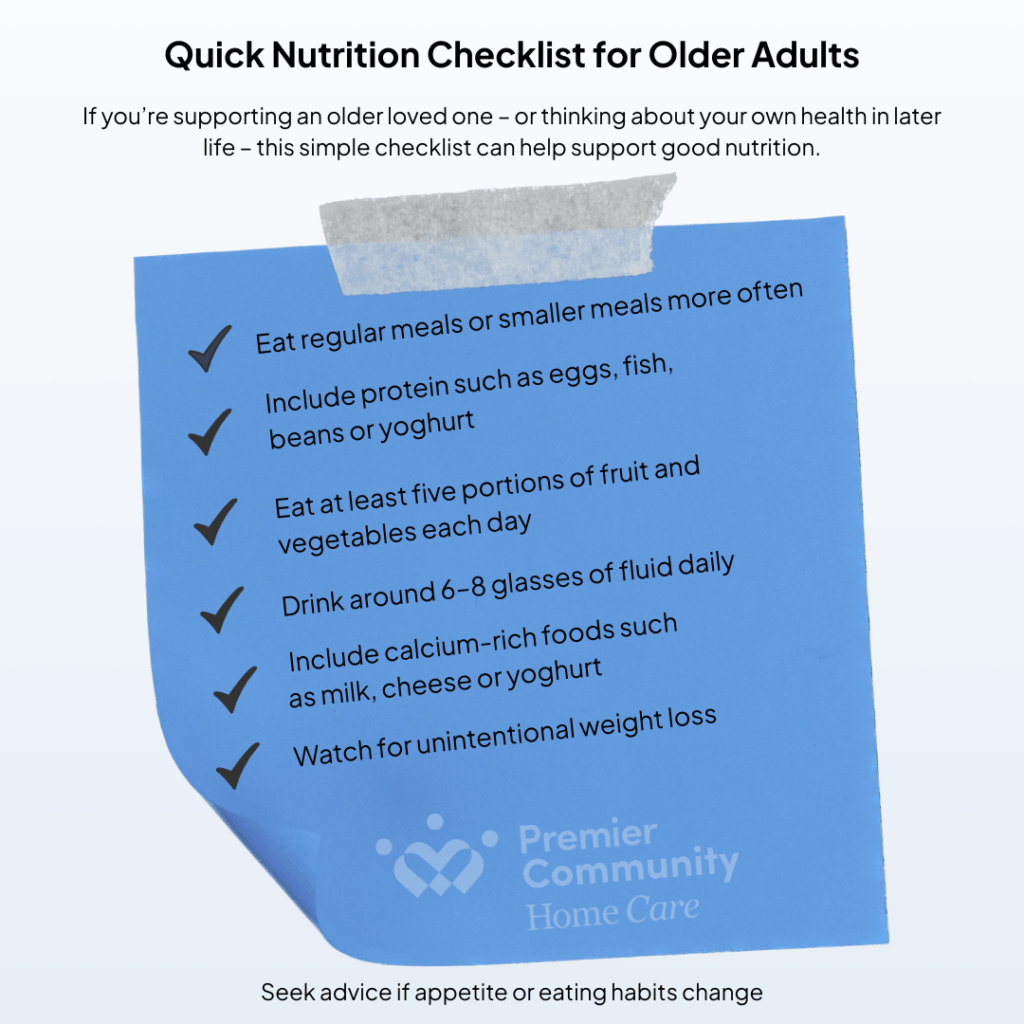
- At least five portions of fruit and vegetables each day
- Starchy carbohydrates such as bread, rice, pasta or potatoes
- Protein-rich foods including fish, eggs, meat, beans, lentils or tofu
- Two to three portions of dairy or fortified alternatives, such as milk, yoghurt or cheese
- Healthy fats like olive oil or sunflower oil in small amounts
- Around 6–8 glasses of fluid daily, including water, milk, tea or soup
Eating a variety of foods helps the body get the vitamins and nutrients it needs to stay strong and healthy.
Why Good Nutrition Matters in Later Life
Good nutrition plays an important role in maintaining health as we age. Eating well can help:
- Maintain muscle strength and mobility
- Support the immune system
- Protect bone health
- Maintain energy levels
- Reduce the risk of illness or infection
For some people, changes in appetite or difficulties preparing meals can lead to eating less than the body needs. Over time this can increase the risk of malnutrition in older adults.
Understanding Malnutrition in Older Adults
Malnutrition occurs when the body does not receive enough nutrients from food. It can happen if someone eats too little, struggles with appetite, or has difficulty shopping for or preparing meals.
Malnutrition can lead to weakness, fatigue, and a higher risk of illness or falls. Recognising the early signs can help people get the support they need.
Signs of Malnutrition in Older Adults
Some warning signs to look out for include:
- Unintentional weight loss
- Clothes, jewellery or dentures becoming loose
- Loss of appetite
- Feeling tired or weak
- Reduced strength or mobility
- More frequent illness
If you notice these signs in yourself or a loved one, it’s important to speak to a GP, dietitian or healthcare professional.
Tips for Eating Well with a Smaller Appetite
Many people find their appetite changes with age. If eating large meals becomes difficult, these tips may help.
Eat smaller meals more often
Instead of three large meals, try four to six smaller meals throughout the day.
Choose nourishing snacks
Nutritious snacks can help boost calorie and nutrient intake.
Examples include:
- Yoghurt
- Cheese and crackers
- Peanut butter on toast
- Fruit with yoghurt
- Rice pudding or custard
Add calories and protein to meals
Small additions can make meals more nourishing:
- Add cheese to soups or mashed potatoes
- Use whole milk instead of skimmed
- Stir nut butters into porridge or smoothies
- Add olive oil or butter to vegetables
Choose softer foods if needed
If chewing becomes difficult, softer foods such as soups, stews, mashed vegetables, scrambled eggs or yoghurt may be easier to eat.
Enriched meal and drink ideas*
- Porridge made with whole milk, honey, and a spoonful of skimmed milk powder stirred in.
- Scrambled eggs with added butter and cream, served with buttered toast.
- Soup blended with grated cheese or double cream.
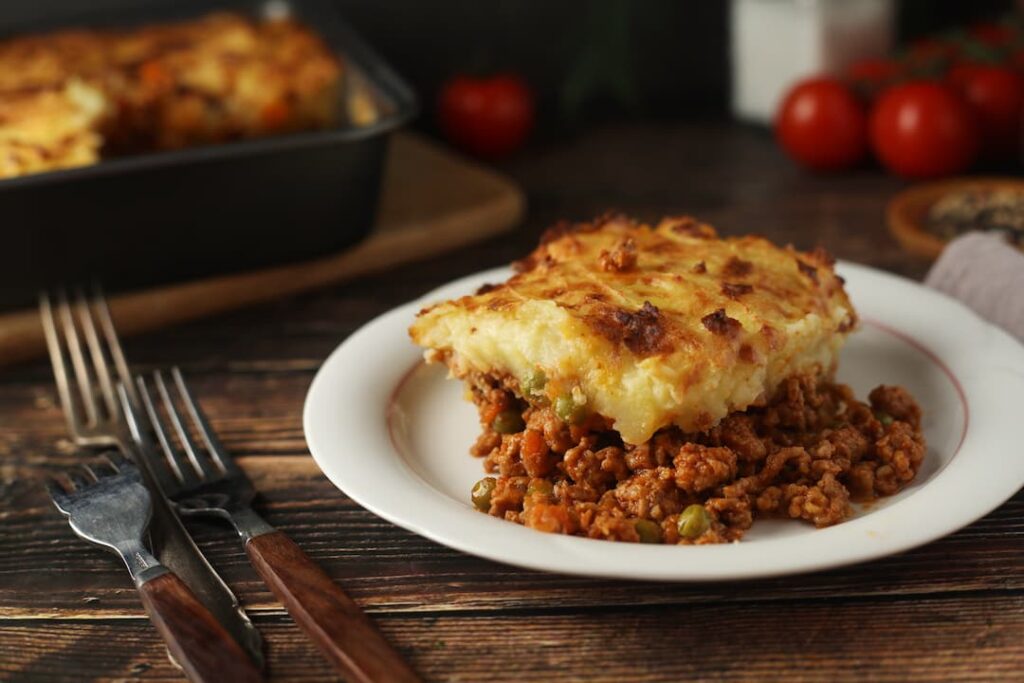
- Mashed potato with butter, whole milk, and grated cheese; this could be added as a topping to cottage pie, fish pie etc.
- Full-fat yoghurt, mousse, custard or rice pudding topped with fruit, nuts and honey.
- Enriched Milk (whole milk with added milk powder: 4-5 tablespoons in a pint of whole milk) – this can be added to hot drinks
- Smoothies with enriched milk and honey
- Milkshake (whole milk with milkshake powder) with added ice cream
*please consult your health professional before trying these meals if you have long term conditions such as diabetes or heart disease, or any food allergies.
Staying Hydrated
Drinking enough fluids is just as important as eating well. Older adults may not always feel thirsty, so it helps to drink regularly throughout the day.
Good options include:
- Water
- Milk
- Tea or coffee
- Herbal teas
- Soup
- Diluted fruit juice
Keeping a drink nearby can help encourage regular hydration.
Supporting Older Adults to Eat Well at Home
Many older adults live independently, and maintaining good nutrition at home is important for staying healthy and avoiding hospital visits.
However, shopping, cooking or preparing meals can sometimes become more difficult with age. Support from family members, carers or community services can make a big difference.
For example, home care services can help older adults with daily routines such as meal preparation, grocery shopping and staying hydrated.
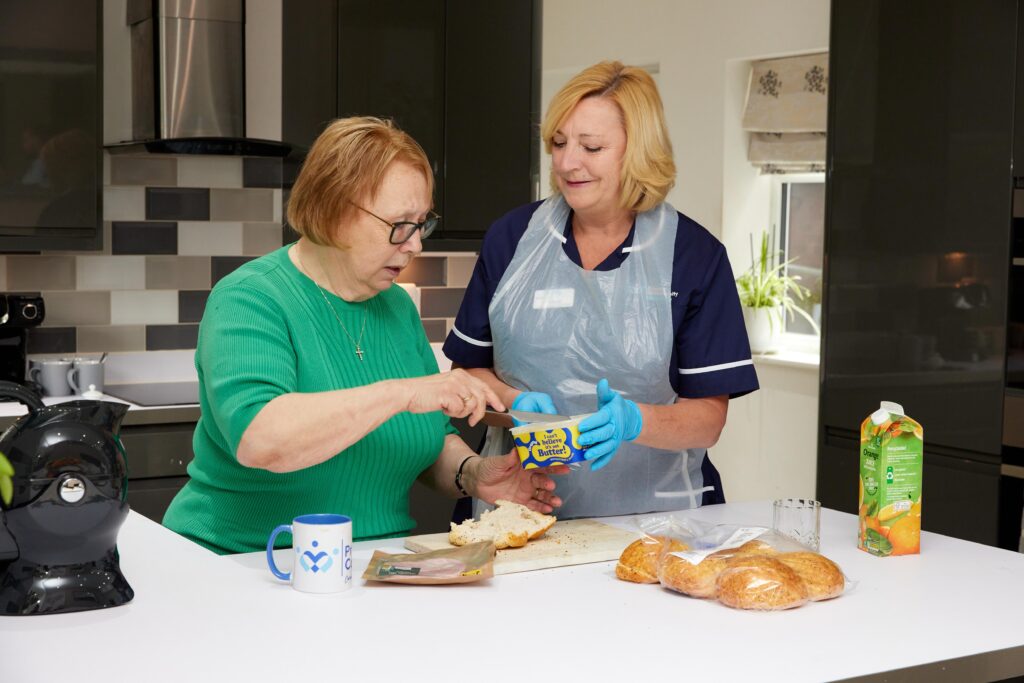
Eating with others can also improve appetite and well-being. Companionship care can provide valuable social interaction for people living alone.
When to Seek Professional Advice
If someone is losing weight without meaning to, struggling to eat, or feeling weak and tired, it’s important to seek professional advice.
A GP can check nutrition risk and, where necessary, refer to a Dietitian to assess nutritional needs and provide personalised guidance.
Supporting Health and Independence in Later Life
Maintaining good nutrition plays an important role in staying healthy and independent in later life.
Sometimes small changes – such as eating more regularly, choosing nourishing snacks, or having support with meal preparation – can make a big difference.
At Premier Community, our care teams support people to live safely and comfortably at home. This includes help with daily routines such as shopping, preparing meals and maintaining a healthy diet.
If you’d like to learn more about how we support older adults and their families, explore our home care services or speak to a member of our team.
Frequently Asked Questions About Nutrition for Older Adults
Why is nutrition important for older adults?
Good nutrition helps maintain muscle strength, support the immune system, protect bone health and maintain energy levels. Eating a balanced diet also helps older adults stay independent for longer.
What foods should older adults eat more of?
Older adults should aim to include protein-rich foods, fruit and vegetables, whole grains and dairy or fortified alternatives. These foods provide essential nutrients that support health in later life.
What are the signs of malnutrition in older adults?
Common signs include unintentional weight loss, fatigue, loss of appetite, reduced strength and clothing becoming loose. These symptoms should be discussed with a healthcare professional.
How can older adults improve their appetite?
Eating smaller meals more often, choosing nutritious snacks and making meals more enjoyable or social can help improve appetite.
Article Credit: This article was written with contributions from Jane Musson RD and Dr Emma Parsons PhD RD, Assistant Professors in Nutrition and Dietetics at the University of Nottingham.