








Home Care
Are Mum or Dad Still Safe at Home? 7 Signs They May Need Extra Support

There often isn’t one dramatic moment when a family suddenly realises Mum or Dad might need some extra help at home.
More often, it is a collection of little things.
Perhaps the fridge seems emptier than usual. Dad is going out less. Mum seems less steady on the stairs. A prescription has been forgotten. The house isn’t quite as tidy as it used to be.
One small change may mean very little. But when several things start happening together, it can leave you wondering whether your parent is still managing safely and comfortably at home.
The good news is that needing a little extra support does not automatically mean losing independence.
Sometimes, the right help at the right time can make it easier for someone to stay at home and keep doing the things that matter to them.
Here are seven signs worth paying attention to.
1. Everyday tasks are becoming harder

You might notice that jobs Mum or Dad have always managed comfortably are beginning to take more effort.
That could include preparing meals, doing the washing, changing bedding, keeping the house clean, shopping or getting dressed in the morning.
The important thing is to look for changes from what is normal for them.
It doesn’t necessarily mean they can no longer live independently. Sometimes a little home help with practical tasks can make everyday life easier while allowing them to continue doing plenty for themselves.
Good home care should support independence, not take it away.
2. Their mobility or confidence has changed

Perhaps Mum has started holding onto furniture when walking around the house. Dad seems reluctant to use the stairs. Maybe they have stopped going to the shops, catching the bus or attending activities they previously enjoyed.
Sometimes physical ability changes. Sometimes confidence changes first.
Either way, people can gradually start doing less because everyday situations feel more difficult or less safe.
The right support can help someone stay active, get out and about, and continue doing things they enjoy.
3. Meals are becoming less regular

Food can sometimes be an early sign that someone is finding things harder.
Is there fresh food in the fridge? Are meals being prepared regularly? Has shopping become less frequent? Are snacks replacing proper meals?
There can be lots of reasons for changes in eating habits, so it is important not to make assumptions.
But sometimes the problem is simply that shopping, standing in the kitchen or preparing a meal has become tiring.
Support at home can help with shopping, meal preparation and keeping familiar routines in place.
If a change in appetite or weight is sudden or worrying, it is also worth speaking to an appropriate healthcare professional.
4. Medication is becoming confusing

Managing several prescriptions can be complicated.
You may notice missed doses, uncertainty around whether medication has already been taken, or prescriptions not being collected on time.
If you are worried about medication, speak with a pharmacist, GP or other appropriate healthcare professional.
Where it forms part of an agreed care plan, trained carers may also be able to provide appropriate medication support at home.
5. Personal care is becoming more difficult
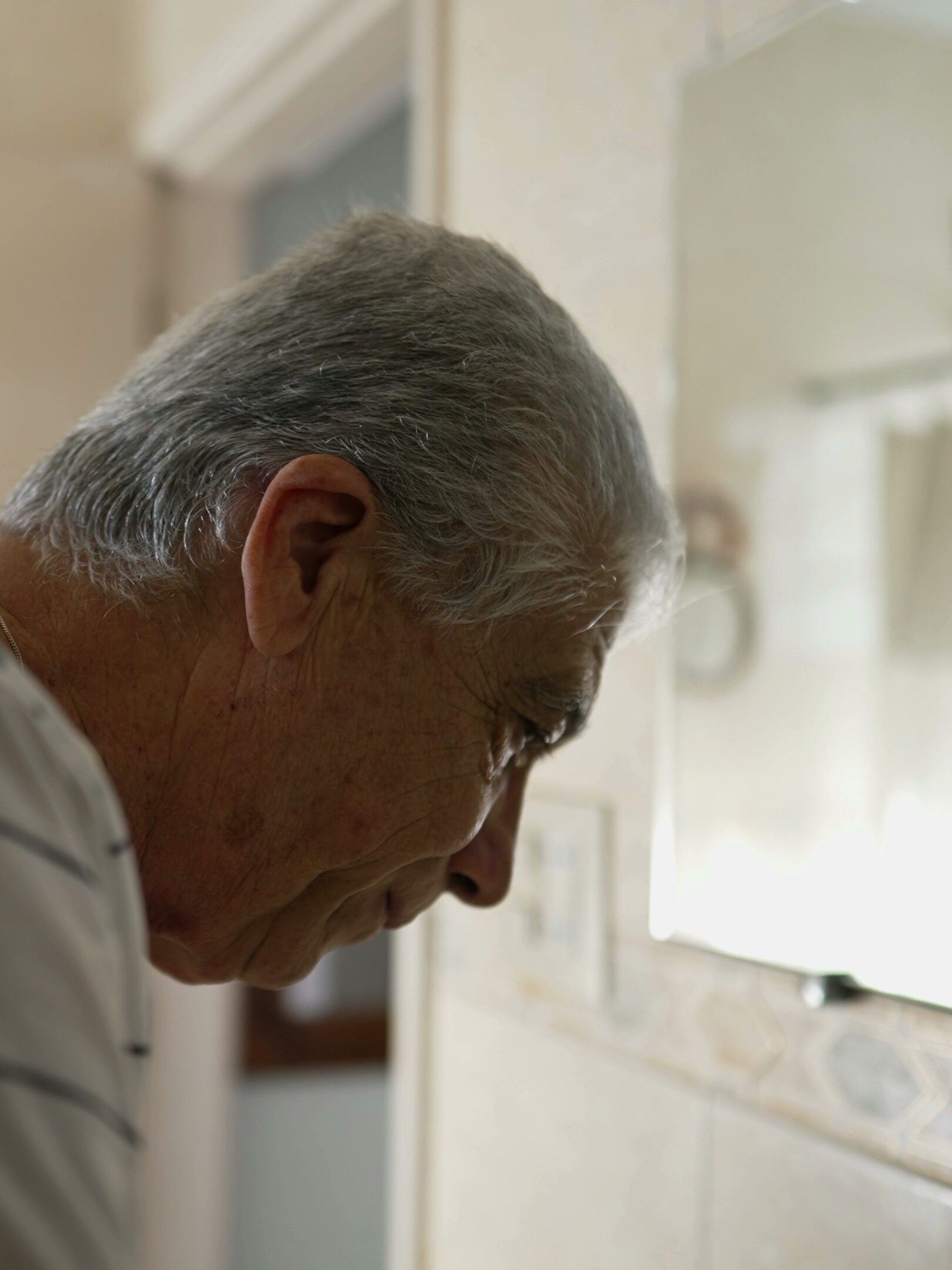
Changes in washing, dressing, shaving or general appearance can sometimes indicate that everyday routines are becoming harder.
This is also a very personal area of someone’s life, so it should be approached with care.
Rather than focusing on what someone is no longer doing, it can help to ask whether anything is becoming more difficult.
If support is needed, personal care at home should always be provided with dignity, privacy and respect, while keeping the individual involved in decisions about their routine.
6. They’re spending much more time alone

Loneliness does not always announce itself.
You might simply realise that Dad hasn’t mentioned seeing friends recently, or that Mum rarely leaves the house unless someone takes her somewhere.
Sometimes reduced social contact is linked to mobility. Sometimes confidence changes. Sometimes someone’s social circle has simply become smaller.
This is where companionship care can be valuable.
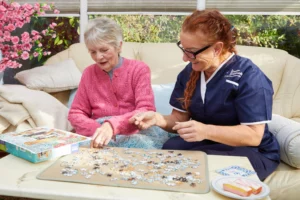
A care visit does not always have to be about practical tasks. It might mean sharing a cup of tea, going for a walk, visiting the shops, attending an appointment or helping someone stay connected with their local community.
7. You’re beginning to worry more often

There is one sign families sometimes overlook: how much their own behaviour has changed.
Perhaps you are checking your phone more often.
Calling every evening.
Doing more shopping, cleaning, appointments and errands.
Juggling those things alongside work and your own family.
Supporting someone you love is completely natural. But sometimes family support increases so gradually that nobody realises how much responsibility has built up.
A useful question to ask yourself is:
“Is Mum or Dad still managing independently, or are we now doing a lot behind the scenes to make that possible?”
There is no wrong answer.
But if you increasingly feel responsible for holding everything together, it may be worth exploring whether some extra support could help both you and your parent.

What should you do if you notice some of these signs?
First, do not panic. Noticing one or more of these changes does not automatically mean Mum or Dad needs professional care. Look for patterns rather than isolated incidents. Talk to your parent and ask how things feel from their point of view. You might find that the things worrying you are not the things they are most concerned about.
If you notice sudden or significant changes in someone’s physical health, memory, behaviour, appetite or mobility, it is sensible to seek appropriate medical advice rather than assuming it is simply part of getting older.
But if everyday life is gradually becoming more difficult, it may be worth exploring what support is available. A little support can make a big difference. Home care does not have to mean a huge change.
It might begin with:
- Help preparing lunch
- Support with shopping
- Assistance getting ready in the morning
- Medication support
- Companionship during the week
- Help with household tasks.
The aim should be to help someone continue living life in a way that feels familiar to them.
For some people, having a little help with the things they find difficult allows them to keep doing much more for themselves.
That is independence too. Start with a conversation. If you are noticing changes in Mum or Dad, you do not need to have all the answers before asking for advice.
At Premier Community, we speak with families at many different stages.
Some know they need support fairly quickly. Others simply want to understand their options and whether a little help could make life easier.
A conversation can help you understand what home care options are available, what level of support might be appropriate, and what the next step could look like.
Not sure whether it is time to consider home care for Mum or Dad? Talk to our friendly care team. We’ll listen to what is happening, answer your questions and help you understand the options available.


