







Home Care
What Actually Happens When You Arrange Home Care? From Your First Call to the First Visit
If you’ve never arranged home care before, the whole process can feel unfamiliar.
Who do you call? What will they ask? Does someone visit the house? How quickly does care start? Will Mum or Dad get any say in who comes to see them? And are you committing to something simply by making an enquiry?
These are completely reasonable questions.
So rather than keeping the process hidden behind phrases such as “care assessment” and “onboarding”, here’s what arranging home care generally involves.
Step 1: You get in touch
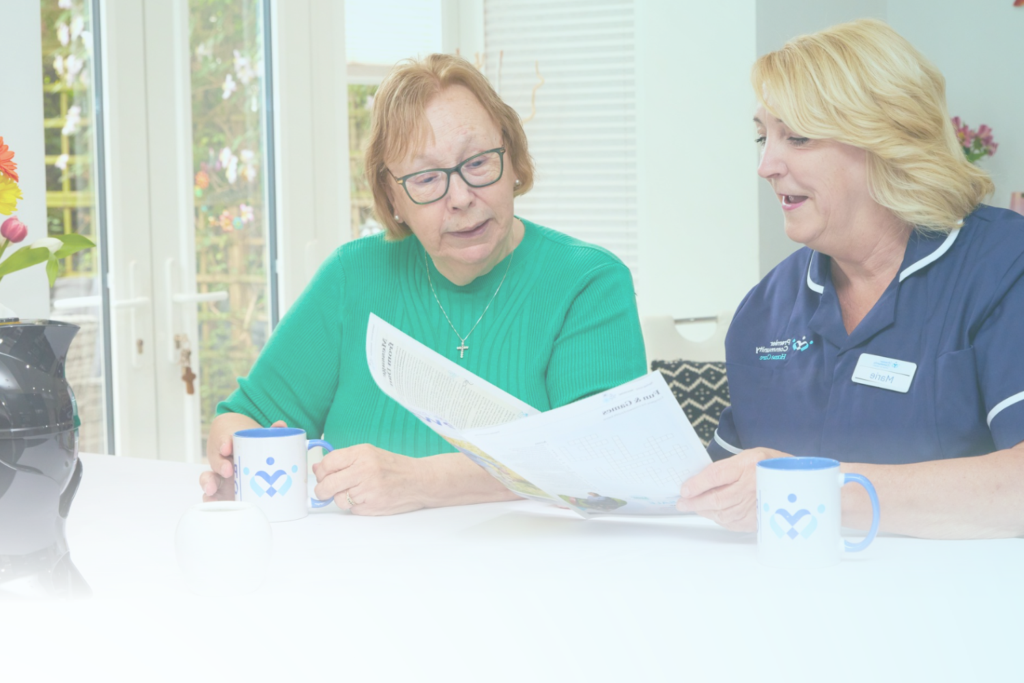
Your first conversation shouldn’t feel like a sales call. It is an opportunity to explain what is happening and ask questions. You might already know the kind of support Mum or Dad needs.
Equally, you might simply say:
“We’ve noticed things are getting harder and we’re not really sure what help is available.”
Which is more than enough to start the conversations.
Our care team are trained and capable of asking questions to understand the situation and explain what the next steps could look like.
Step 2: We learn about the person, not just the tasks
Care isn’t simply a list of jobs. Yes, practical information matters. Someone may need help with medication, meals, mobility or personal care. But good care planning should go much further.
What time does Dad normally get up?
How does Mum like her tea?
Does she prefer a shower in the morning or evening?
What does he enjoy talking about?
Are there hobbies, routines, pets, friends or local activities that matter?
What does a good day look like?
These details help care feel human. The aim isn’t simply to send somebody into the house to complete tasks. Gill Isterling set up Premier Community to ensure care was delivered across the east midlands in a completely different way. Our aim is to provide support that fits around the person’s existing life.

Step 3: A care assessment helps everyone understand what is needed
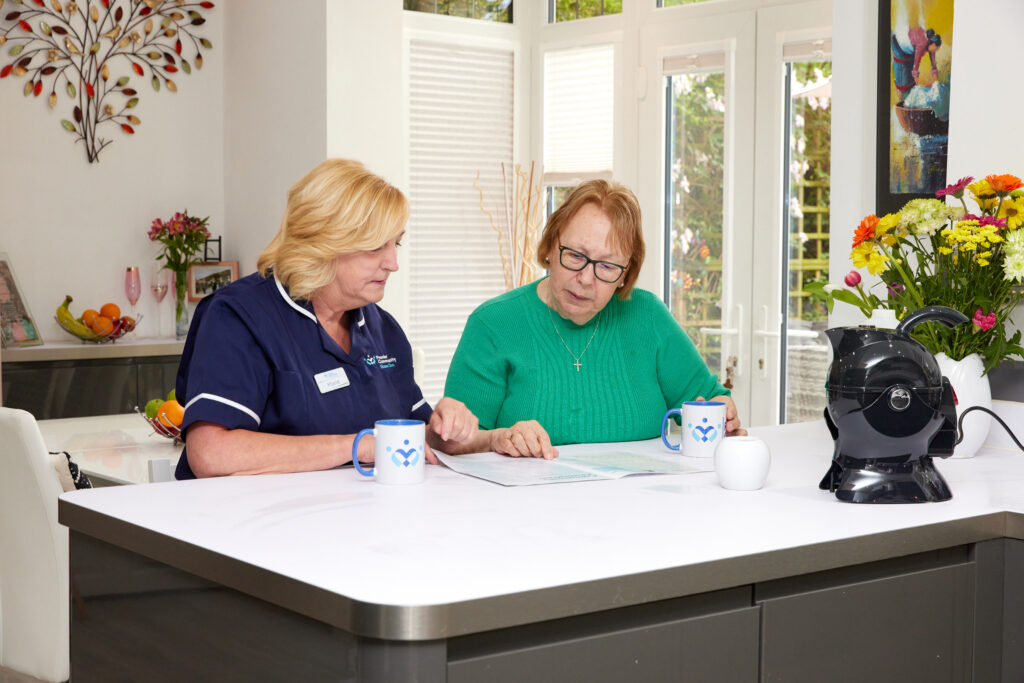
Before care begins, there will usually be an assessment, which essentially is a deep and detailed conversation about the support required.
This is always a great opportunity for you, us and most importantly the person receiving care to be involved. Their views matter. Their preferences matter. Their routines matter.
The assessment may consider areas such as:
- mobility
- medication
- nutrition
- personal care
- daily routines
- communication
- risks within the home
- social interests
- family involvement
- desired outcomes.
It also gives families the opportunity to ask plenty of questions. There should be no expectation that you already understand how care works.
That’s our job.
Step 4: A care plan is agreed
The information gathered is used to create an individual care plan. Which you can think of this as the guide for how support should be provided. It sets out what assistance is needed while also recording how the person wants that support delivered.
For example, two people might both need help preparing lunch.
One may enjoy choosing the meal and preparing parts of it alongside their carer; however, another may prefer their carer to prepare lunch while they sit and chat.
The task looks the same on paper. The experience is completely different. Which is why a personalised care planning matter.
Step 5: Visits are organised around the agreed support
Once everybody is comfortable with the plan, care visits can be arranged.
Depending on someone’s needs, that might include morning visits, support at lunchtime, evening calls, companionship visits or a combination.
Needs can also change. So our care shouldn’t be frozen forever simply because something was written down at the beginning. We commit to having regular communication between the individual, family and care team helps ensure support remains appropriate.
Step 6: The first visit happens
The first visit is often the moment families feel most nervous about. That is understandable. Having someone new come into your home is personal.
A good carer should arrive knowing why they are there, what support has been agreed and the preferences recorded within the care plan.
But it is also the beginning of a relationship and care works best when people feel comfortable with those supporting them.
Familiarity, trust and good communication develop over time.
What happens after care starts?
Starting care isn’t the end of the conversation. It is the beginning. The care team should continue checking that the support is working. Perhaps Mum needs a little more assistance than initially expected. Perhaps Dad becomes more confident and wants to do more for himself. Perhaps the timing of a visit isn’t quite right.
These things can be discussed.
Care should evolve around the person receiving it.
What if we’re only exploring our options?
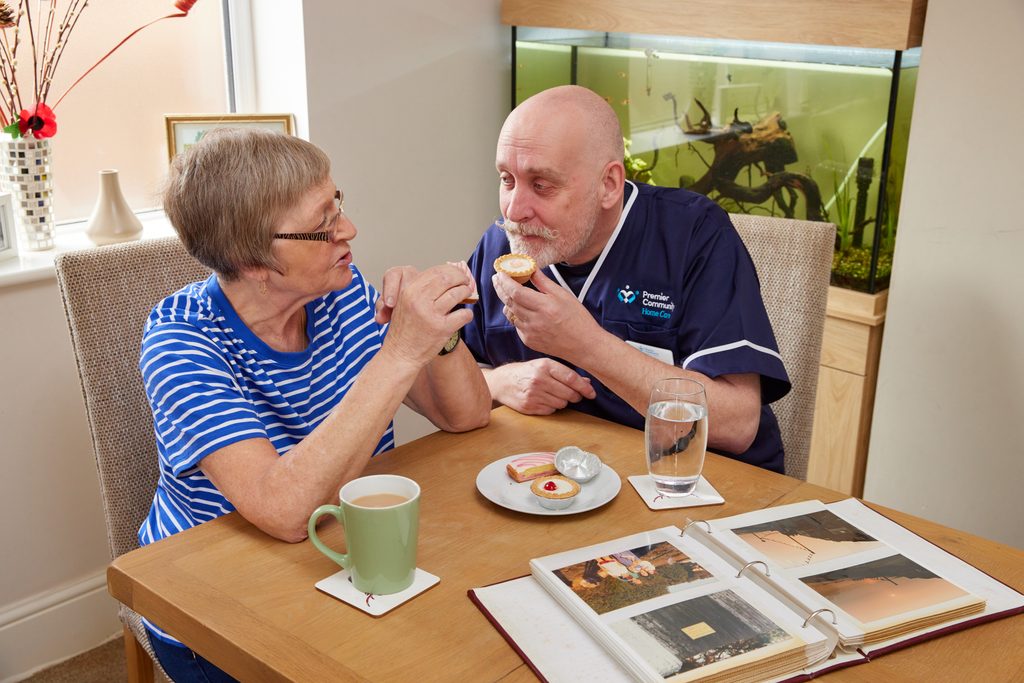
That’s absolutely fine. Making contact doesn’t mean you have to start care. Many families simply want to understand what help exists, what the process involves and whether home care might suit their circumstances. Sometimes that conversation leads to arranging support, sometimes the family decides it isn’t needed yet.
Either outcome is useful because you understand your options.
The process should feel supportive, not overwhelming
Arranging care for someone you love can feel like a big responsibility. The provider you choose should make that process easier to understand, not bury you in jargon.
At Premier Community, we believe families should know what is happening, why it is happening and what comes next.
And importantly, Mum or Dad should remain at the centre of those decisions.
Thinking about arranging home care? Start with a conversation. Tell us what’s happening and we’ll help you understand what the next step could look like.