
Most families don’t think about care until they’re forced to.
A fall, a hospital stay, or a sudden decline in health can leave loved ones making urgent decisions under pressure, often without knowing what their parent or relative would have wanted. But, planning ahead changes that.
Having open conversations early allows your loved one to stay in control of their future, reduces stress for the family, and ensures that any care decisions reflect their wishes, not just the circumstances.
When Should You Start Planning for Future Care for an Elderly Parent or Loved One?
There is no perfect time to start thinking about care, but earlier is always better.
If you are supporting an older relative, there are often some key signs to look out for:
- Are they finding daily tasks more difficult?
- Have they experienced a recent hospital visit or health concern?
- Are they becoming more forgetful?
- Are they feeling isolated or less mobile?
Even if everything feels manageable now, early planning gives everyone time to explore options and make informed decisions together.
How Do You Start a Conversation About Care Needs with a Loved One?
Talking about future care can feel uncomfortable, but it doesn’t have to be overwhelming.
Approach it gradually and focus on reassurance. This isn’t about taking control away, it’s about understanding what matters most to them.
You might begin by asking:
- How do you feel about staying at home long-term?
- What would make you feel safe and supported?
- Have you thought about what kind of help you might need in the future?
These conversations can happen over time. What matters is starting them.
How Much Does Care Cost in the UK and How Can You Plan for It?
The cost of care in the UK can vary depending on the level of support needed and how often care is required.
As a general guide:
- Premier Community’s Visiting Home Care rates start from just £19.90 per visit (prices correct at time of publishing)
- Meanwhile, our Live-in care services cost from around £1,700 – £2,200 per week
- Costs may vary depending on location and complexity of care needs
Understanding these potential costs early can help you plan with more confidence.
Of course, discussing finances is often sensitive, but it’s an essential part of planning ahead. If you’d like a clearer idea of pricing, you can explore our home care services and pricing options.
Having a clear picture of one’s financial situation, including income, savings, and any existing commitments, can help make realistic decisions about future care.
Planning early allows you to:
- Explore care options within a suitable budget
- Avoid rushed financial decisions later
- Ensure you or your loved one has a say in how their money is used
- Reduce the financial burden on family members
A financial advisor can also help you understand the potential costs of care, from day-to-day support to more complex needs, and help you plan accordingly.
What Legal Steps Should You Take When Planning for Future Care?
Putting the right legal arrangements in place ensures that your loved one’s wishes are respected—even if they’re no longer able to communicate them.
One of the most important steps is setting up a Lasting Power of Attorney (LPA).
What Is a Lasting Power of Attorney (LPA) and Why Is It Important?
There are two main types:
- Health and Welfare LPA
Covers decisions about medical care, living arrangements, and day-to-day wellbeing. - Property and Financial Affairs LPA
Allows someone to manage finances, pay bills, and handle property matters.
Setting this up early means decisions can be made by someone your loved one trusts, rather than leaving it to chance or legal processes later on.
Who Can Help You Plan for Future Care?
Planning for future care can feel overwhelming, but support is available.
You may find it helpful to speak with:
- A financial advisor to understand funding options
- A legal professional for guidance on documentation
- A trusted home care provider to explore what support could look like locally, including personalised home care services tailored to your needs
Before speaking to professionals, it can help to:
- Think about your loved one’s preferences and priorities
- Gather key information about health and finances
- Write down any questions or concerns
Taking these small steps can make the process feel much more manageable.
How Home Care Can Help You Plan Ahead
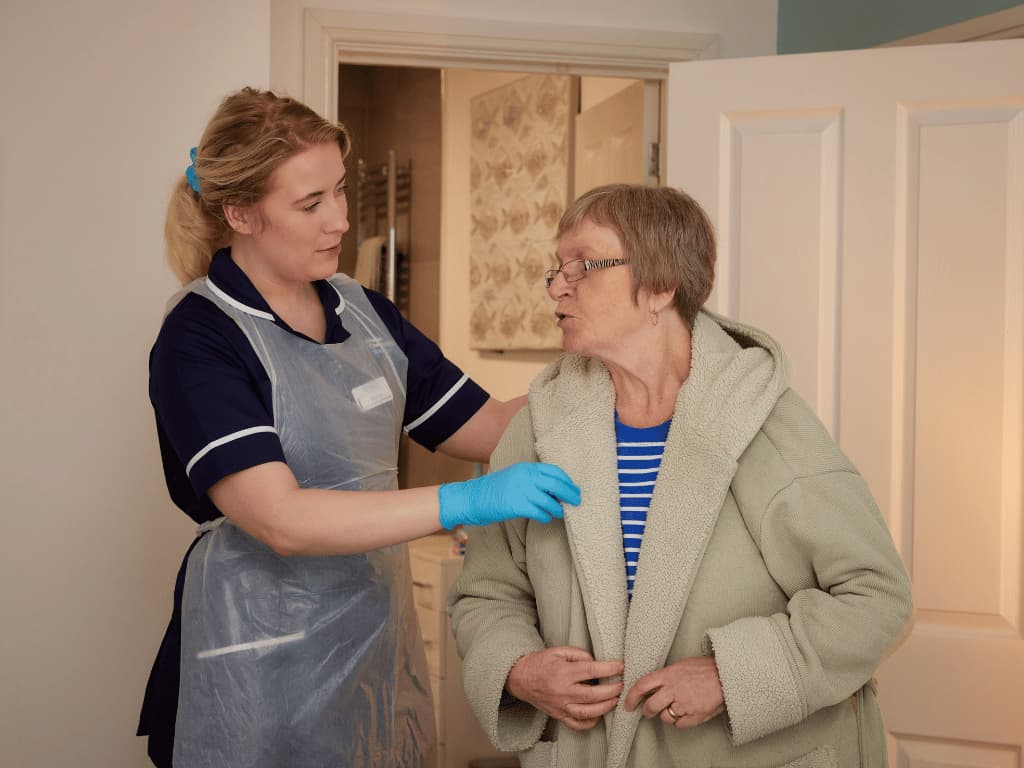
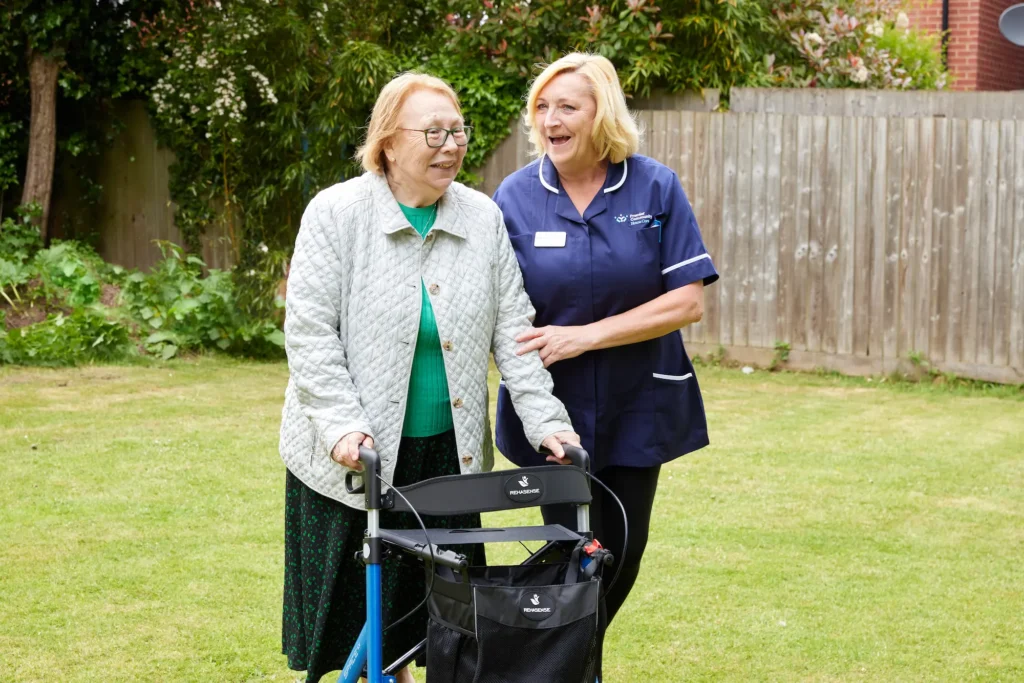
At Premier Community, we provide personalised home care services across Nottinghamshire, Derbyshire and South Yorkshire, helping people remain safe and independent in the comfort of their own homes through flexible home care support designed around each individual.
Planning for future care needs does not automatically mean being placed in a care home. For many people, receiving either visiting care or live-in care at home allows them to stay in familiar surroundings while maintaining their independence and routines.
Home care can:
- Be tailored to your loved one’s specific needs
- Provide support with daily tasks, personal care, or companionship
- Adapt over time as needs change
- Offer reassurance to both individuals and their families
Whether you are based in Nottingham, Ilkeston, Swadlincote, Chesterfield, Sheffield or any of the surrounding areas, planning early gives you more choice and control over how care is delivered.
What Happens Without a Plan, and How to Avoid It
While planning ahead may feel like a big step, leaving decisions too late can make things much more difficult for everyone involved.
Often, families who haven’t planned may face:
- Uncertainty about who should make decisions
- Unexpected financial pressure
- Emotional stress or disagreements
- Legal complications, especially if arrangements like Power of Attorney aren’t in place
For example, if a loved one suddenly needs hospital care, families can find themselves making urgent decisions about care providers or legal arrangements without fully understanding the options available.
The good news is that this can be avoided with some simple, early steps.
Simple Steps for Families to Plan Ahead
If you’re not sure where to begin, breaking things down into manageable steps can help:
Start the conversation early
Talk openly while your loved one can share their wishes. Keep the tone positive and focused on maintaining independence.
Gather important information
Bring together key details such as:
- Financial records (savings, pensions, insurance)
- Medical information (conditions, medications)
- Legal documents (wills, existing LPAs)
Consider finances
Think about how care might be funded, whether through savings, pensions, or benefits. A financial advisor can help estimate costs and explore options.
Put legal protections in place
Setting up a Lasting Power of Attorney ensures someone trusted can make decisions if needed.
Seek professional advice
Care providers, advisors, and solicitors can help you build a complete and practical plan.
Keep the plan flexible
Review it regularly and update it as circumstances change.
Practical Tips for Making It Easier
- Use simple checklists to keep track of tasks and documents
- Involve family members so everyone understands their role
- Break the process into smaller steps to avoid feeling overwhelmed
- Keep communication open as needs and situations change
Frequently Asked Questions About Planning for Future Care
Families often have similar questions when starting to plan ahead:
When should we start planning?
There’s no perfect age, but starting in your loved one’s early 60s gives you the most flexibility and choice.
Can plans be changed later?
Yes—care plans should be reviewed regularly and adapted as circumstances change.
What if our loved one already has multiple advisors?
Keep a clear record of who is involved and ensure communication between them to avoid confusion.
What are the risks of not planning?
Families may face financial strain, delayed decisions, legal complications, and the loss of opportunity for the individual to shape their own care.
Here to Support You Every Step of the Way
If you’re beginning to think about care for a loved one, our friendly team at Premier Community is here to help, get in touch with us today to discuss your care needs.
Whether you’re just starting the conversation or ready to put a plan in place, we’re always happy to talk things through and guide you at your own pace.
A simple conversation today can make a difficult situation much easier tomorrow.